


Hero graphic background
Slide 1

Fernie Paleo Trail

Discover fossils in Fernie, including ancient ammonites and ichthyosaurs. Explore the area's Jurassic history through a self-guided tour.

Texture background overlay

The Fernie Paleo Trail is an exciting journey into a fascinating chapter of British Columbia's natural history. While Fernie is best known for its mountain adventures, the Canadian Rockies surrounding the Elk Valley also reveal a prehistoric story that began more than 165 million years ago. Long before towering peaks and lush forests shaped the landscape, this region was covered by a warm inland sea, leaving behind an extraordinary collection of fossils preserved within the surrounding rock.

What is Fernie Paleo Trail?

Today, the Fernie Paleo Trail celebrates the area's remarkable paleontological heritage, including one of North America's largest ammonite fossils and the remains of an ichthyosaur—an ancient marine reptile that once swam these Jurassic waters. These discoveries offer a rare glimpse into a world that existed millions of years before the Rockies rose above the sea.

Whether you're fascinated by fossils, travelling with curious young explorers, or looking to experience another side of Fernie, the Fernie Paleo Trail adds a unique perspective to your visit. Learn about the region's prehistoric past through interpretive displays at the Fernie Visitor Information Centre, discover fossil stories throughout the community, and explore how the ancient sea helped shape the landscape you see today.

From Jurassic marine life to mountain adventures, the Fernie Paleo Trail is another way to experience the rich natural history of the Canadian Rockies.

Learn More

Famous Fossil Discoveries in Fernie

Two women looking up at a framed ichthyosaur fossil of the Fernatator Prenticei on a wall.

Fernatator Prenticei

One of Fernie's most remarkable paleontological discoveries is Fernatator prenticei, a rare species of ichthyosaur unearthed just outside the community. This ancient marine reptile swam the warm Jurassic sea that covered the region nearly 190 million years ago, offering an extraordinary glimpse into Fernie's prehistoric past.

Named after the town of Fernie and the Fernie Formation where it was discovered, Fernatator means "Fernie swimmer," while prenticei honours local fossil discoverer Tom Prentice. What makes this discovery especially significant is the exceptional preservation of the specimen. Unlike many fossil finds that consist of only fragments, this remarkably complete skeleton allowed scientists to identify a previously unknown species, making it one of the most important ichthyosaur discoveries in North America.

Gray rocky surface with an ammonite fossil, surrounded by green and yellow vegetation.

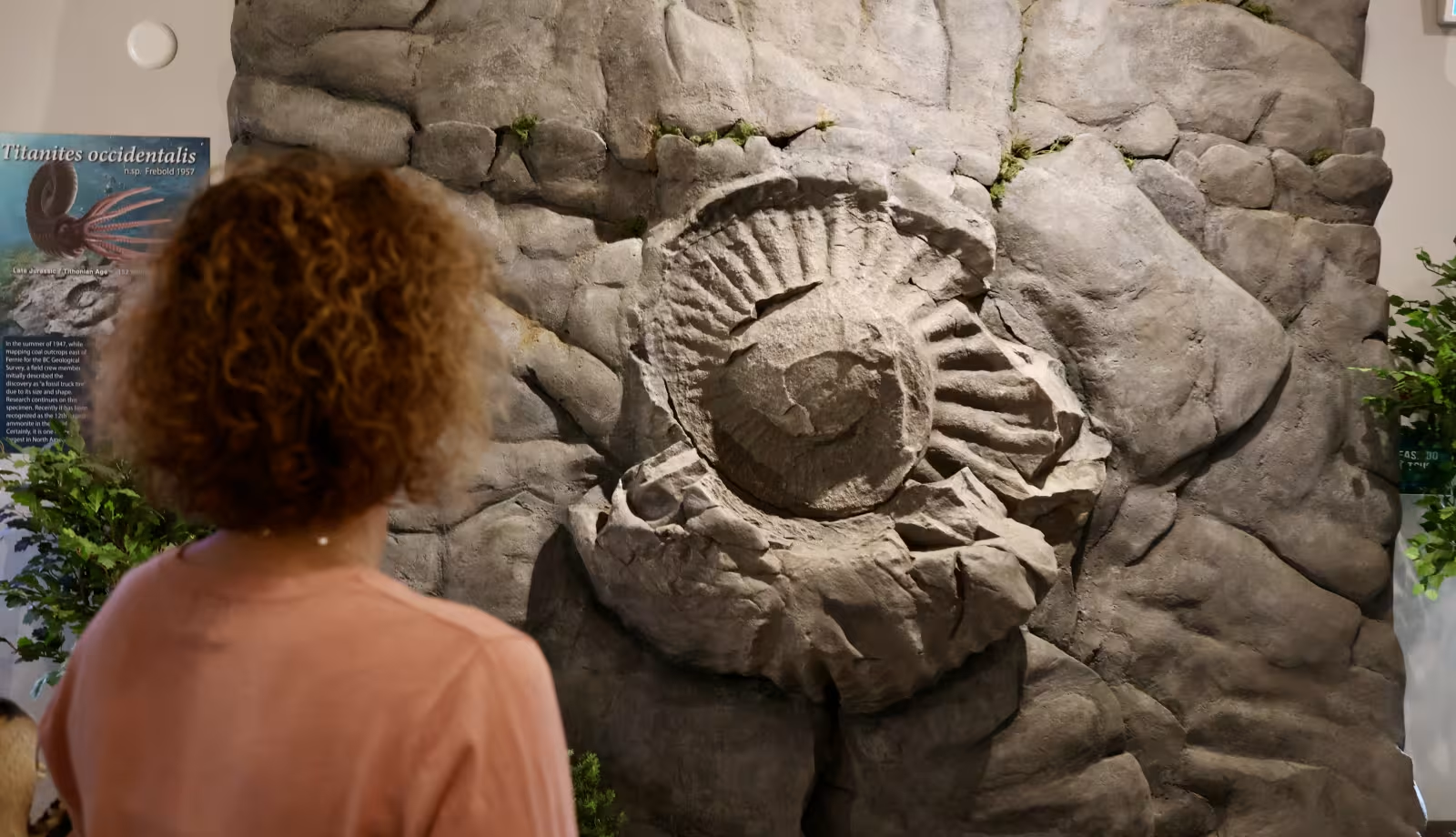
Fernie Ammonite

The Fernie Ammonite is one of the region's most extraordinary prehistoric discoveries and among the largest Jurassic ammonite fossils ever found in North America. Measuring an impressive 1.4 metres (4.6 feet) across, this giant marine fossil belonged to a squid-like cephalopod, Titanites occidentalis, that swam the warm sea covering Fernie approximately 150 million years ago. Only the second specimen of its kind ever discovered, the Fernie Ammonite offers a rare glimpse into the incredible marine life that existed long before the Canadian Rockies rose above the ocean.